
Odkryj historię kryjącą się za nazwiskiem
Wolf
Znaleźliśmy dla nazwiska Wolf
Zbadaj historię nazwiska Wolf w archiwalnych rejestrach urodzeń i zgonów, danych imigracyjnych i innych
931 535
Akta urodzeń, małżeństw i zgonów
98 187
Akta imigracyjne i podróżnicze
572 629
Drzewa rodowe
447 133
Spisy ludności i listy wyborców


Szukaj rekordów dla nazwiska Wolf w bazie danych MyHeritage zawierającej 39,4 mld rekordów


Pochodzenie i znaczenie nazwiska Wolf
The surname Wolf has deep historical roots, tracing back to the Old High German word wolf, which means wolf in English. This surname likely originated as a nickname for individuals who exhibited characteristics associated with the animal, such as fierceness or cunning, or it may have been used to denote someone who hunted wolves. The earliest recorded instances of the surname can be found in medieval Germany, where it was common for surnames to derive from animals, occupations, or personal traits. Over time, the surname spread throughout Europe, particularly in German-speaking regions, and became associated with various occupations, including those related to hunting and animal husbandry. The name also carries connotations of strength and bravery, reflecting the qualities admired in the wolf.
Culturally and geographically, the surname Wolf has numerous variations, including Wolfe, Wolff, and Wulf, which can be found in different languages and regions. The spelling and pronunciation of the surname have evolved over time, influenced by local dialects and linguistic changes. For instance, in Slavic regions, the name may appear as Vulf or Volf, while in Scandinavian countries, it might be rendered as Ulv. The surname's spread can be attributed to migration patterns, particularly during the Middle Ages, when people moved for trade, war, or settlement, leading to the establishment of Wolf families in various parts of Europe and beyond.
Notable figures associated with the surname Wolf include the German composer and conductor Hugo Wolf, who made significant contributions to the art song genre in the late 19th century, and the American author and journalist John Wolf, known for his works in the early 20th century. These individuals have helped elevate the surname's recognition in cultural and artistic contexts. Additionally, the surname has been borne by various families throughout history, some of whom held positions of influence in their communities, thereby enhancing the reputation and legacy of the name. The Wolf surname continues to be prevalent today, with many individuals proudly carrying it across the globe, reflecting a rich tapestry of history and cultural significance.
Skąd pochodzi rodzina Wolf?
Odkrywaj migrację rodziny Wolf na przestrzeni lat poprzez rekordy spisów ludności. W tych spisach nazwisko Wolf pojawia się w krajach: USA, Szwecja, Zjednoczone Królestwo, Kanada, Francja i Australia w latach 1830 - 1950. Większość rodzin Wolf występuje w rekordach z USA w roku 1930.


Historia rodziny Wolf jest głębsza, niż myślisz


Sławne i godne uwagi osoby w historii o nazwisku Wolf

Hieronymus WolfBibliotekarz, Historian
Data urodzeniaAug - 13 1516 Oettingen in Bayern, Germany
ŚmierćOct - 8 1580 Augsburg, Germany

Emil WolfPhysicist, University Teacher
Data urodzeniaJul - 30 1922 Prague, Czech Republic
ŚmierćJun - 2 2018 Rochester, United States

Gary WolfJournalist
Data urodzenia0020

Christa WolfPisarz, Screenwriter, Politician, Unofficial Collaborator, Novelist, Essayist, Journalist, Literary Critic, Science Fiction Writer
Data urodzeniaMar - 18 1929 Gorzów Wielkopolski, Poland
ŚmierćDec - 1 2011 Berlin, Margraviate of Brandenburg
MałżonekGerhard Wolf
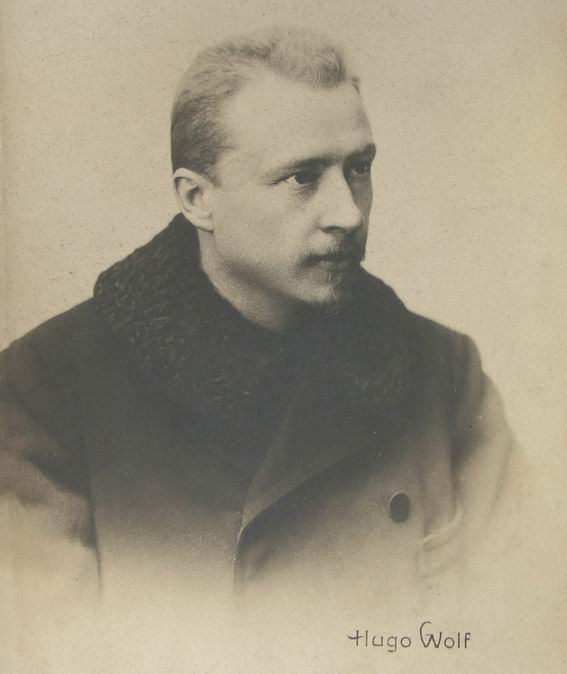
Hugo WolfComposer, Music Critic
Data urodzeniaMar - 13 1860 Slovenj Gradec, Slovenia
ŚmierćFeb - 22 1903 Vienna, Austria
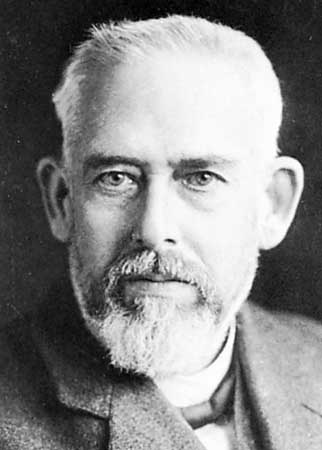
Max WolfAstronomer, Fotograf, University Teacher
Data urodzeniaJun - 21 1863 Heidelberg, Germany
ŚmierćOct - 3 1932 Heidelberg, Germany
MałżonekGisela Wolf
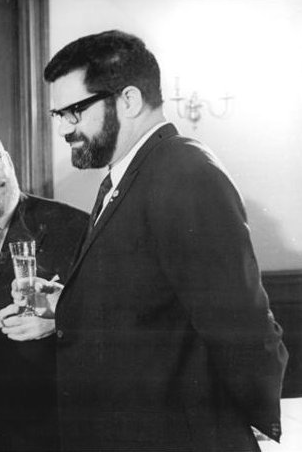
Konrad WolfFilm Director, Politician, Screenwriter, Military Personnel
Data urodzeniaOct - 20 1925 Hechingen, Germany
ŚmierćMar - 7 1982 East Berlin, German Democratic Republic
MałżonekChristel Bodenstein

Howlin' WolfGuitarist, Singer, Street Artist, Songwriter
Data urodzeniaJun - 10 1910 United States Military Academy, United States
ŚmierćJan - 10 1976 Chicago, United States
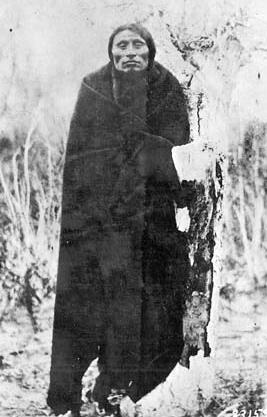
Little WolfTribal Chief
Data urodzenia1820 - Black Hills, United States
Śmierć1904 - Montana, United States


Zarejestruj się, aby za darmo zacząć tworzyć swoje drzewo genealogiczne
Dowiedz się więcej o nazwisku Wolf i zbuduj swoje drzewo genealogiczne. To szybki, łatwy i darmowy sposób na uporządkowanie badań. Dodaj podstawowe dane, aby rozpocząć.


Jakie archiwalne rekordy możesz znaleźć na temat rodziny Wolf?

189 276 Książki i publikacje
Odkryj istotne informacje o nazwisku Wolf w 189 276 książkach i publikacjach. Pozycje te mogą zawierać kontekst historyczny, historie społeczności i biografie, trudne do znalezienia w bardziej tradycyjnych rekordach.

456 659 Spisy, przewodniki i materiały referencyjne
Przeglądaj 456 659 katalogów, przewodników i materiałów referencyjnych zawierających nazwisko Wolf. Rekordy te obejmują przewodniki po historii, geografii i pochodzeniu nazwisk.

447 133 Spisy ludności i listy wyborców
Zbadaj nazwisko Wolf w 447 133 spisach ludności i listach wyborców, aby uzyskać szczegółowy obraz życia swoich przodków. Odkryj imiona, wiek, zawody, pokrewieństwa, miejsca zamieszkania i wiele więcej.

682 120 Rejestry prasowe
Odkryj fascynujące szczegóły dotyczące Twoich krewnych o nazwisku Wolf w 682 120 rekordach prasowych. Zbadaj anonse o urodzeniach i małżeństwach, nekrologi i artykuły.

931 535 Akta urodzeń, małżeństw i zgonów
Przeglądaj 931 535 akt urodzeń, małżeństw i zgonów dla nazwiska Wolf. Odkryj cenne szczegóły dotyczące najważniejszych rodzinnych wydarzeń. Znajdź imiona, daty, miejscowości, zawody i miejsca zamieszkania twoich przodków i krewnych.

98 187 Akta imigracyjne i podróżnicze
Śledź podróże swoich przodków poprzez 98 187 zapisów imigracyjnych i podróżniczych z nazwiskiem Wolf. Odkrycie ich trasy i towarzyszy podróży podczas imigracji do nowych krajów zapewni nowe spojrzenie na historię Twojej rodziny.

572 629 Drzewa rodowe
Zbadaj nazwisko Wolf w 572 629 drzewach rodowych w MyHeritage. Drzewa te zawierają bogactwo informacji otwierających nowe perspektywy na historię Twojej rodziny.

59 867 Rejestry wojskowe
Przeszukaj 59 867 rekordów wojskowych dla nazwiska Wolf i odkryj dowody odwagi i niezłomności w swojej historii rodzinnej. Rekordy wojskowe zawierają daty zaciągu, stopnie, lokalizacje, a nawet opisy fizyczne.

2 175 rekordów historii, pamiętników i biografii
Wzbogać swoje badania historii rodziny, eksplorując 2 175 historii, wspomnień i biografii dla nazwiska Wolf. Zapisy te mogą oferować szczegółowe, osobiste historie z życia Twoich przodków.


Czym trudniły się osoby o nazwisku Wolf?
Najczęstsze profesje męskie w 1910
Robotnik
31%
Urzędnik
23%
Maszynista
10%
Sprzedawca
7%
Najczęstsze profesje kobiet w 1910
Urzędnik
36%
Stenograf
19%
Księgowy
8%
Krawcowa
6%
Najczęstsze profesje obu płci o nazwisku Wolf ze Stanów Zjednoczonych w latach 1910 to robotnik i urzędnik. 31% mężczyzn o nazwisku Wolf pracowało jako robotnik, a 36% kobiet o nazwisku Wolf pracowało jako urzędnik.


Zbadaj, jak przodkowie w drzewie genealogicznym rodziny Wolf odcisnęli swoje piętno na historii


Drzewa rodowe MyHeritage z nazwiskiem Wolf

Informacje o MyHeritage


MyHeritage jest czołową globalną platformą służącą do badania historii rodziny. Nasze zaawansowane technologie dopasowywania, miliardy międzynarodowych archiwalnych rekordów i testy DNA zabiorą Cię w niezwykłą podróż badawczą, która połączy Twoją przeszłość, teraźniejszość i przyszłość. Od 2020 roku, MyHeritage udostępnia najlepsze na świecie technologie ulepszania i kolorowania zdjęć archiwalnych.


Znajdź więcej osób o nazwisku Wolf w naszych zasobnych zbiorach
Dokumenty historyczne mogą ujawnić bogactwo informacji, w tym:
- Historia rodziny i krewni
- Zdjęcia i zeskanowane oryginalne dokumenty
- Określone daty i lokalizacje wydarzeń życiowych
- Służba wojskowa, miejsce zamieszkania i zawód
- Imiona i nazwiska, nazwiska panieńskie oraz wiek przodków i krewnych
